
The Holmegaard Bow
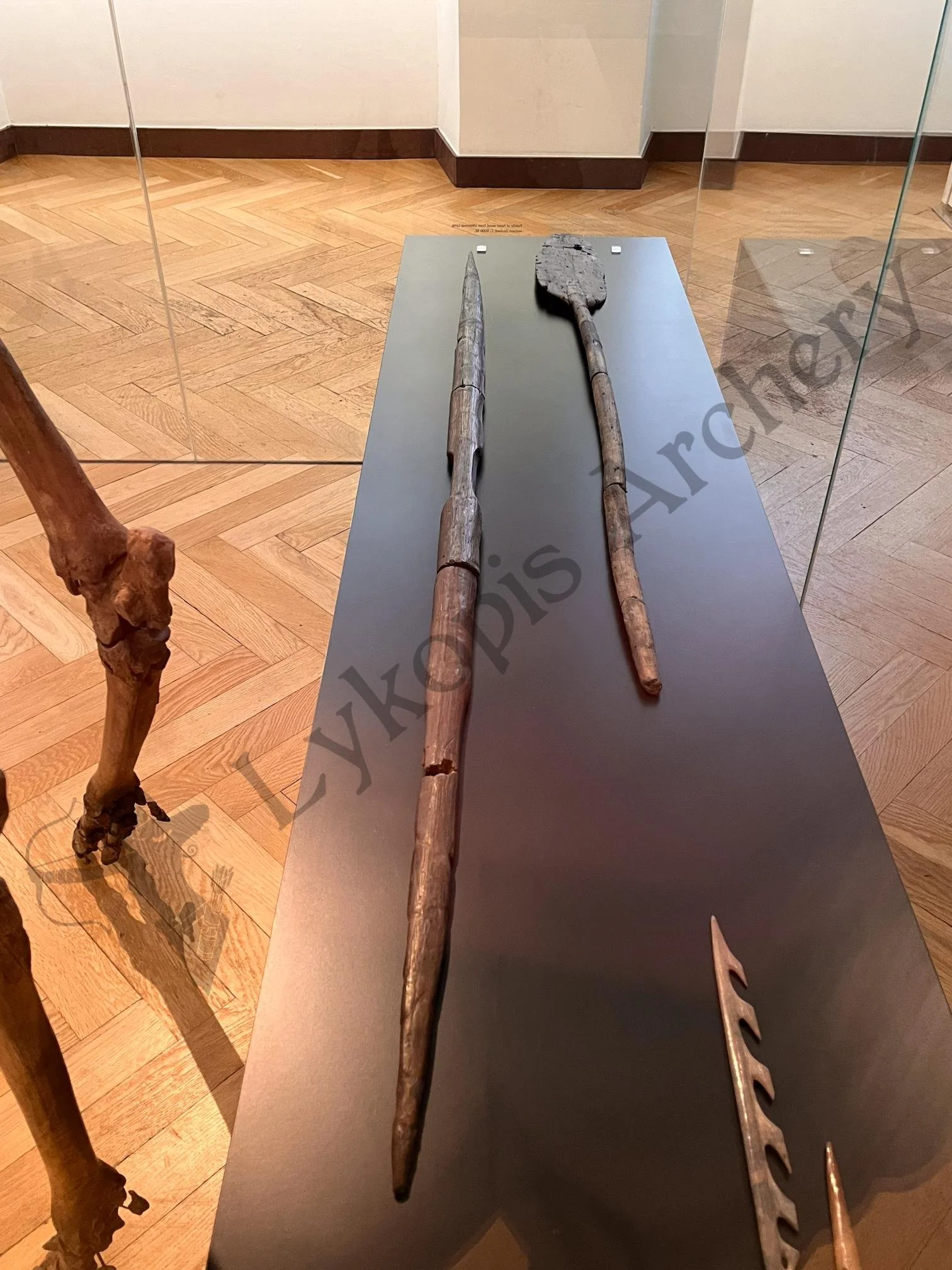
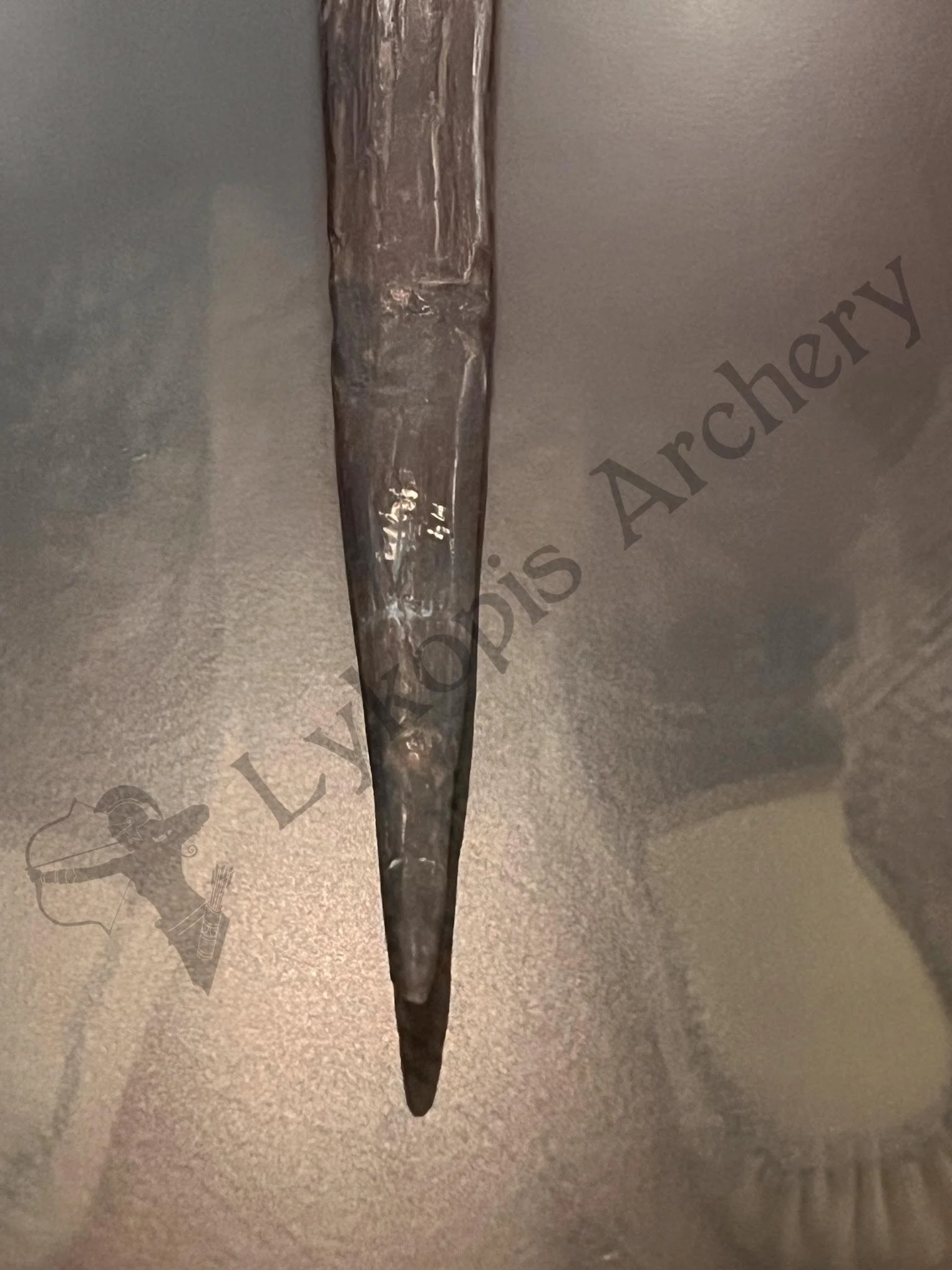
Housed in Auroch Gallery of The Danish National Museum in Copenhagen
7000 BCE. 9000 years old (Mesolithic Period in Scandinavia)
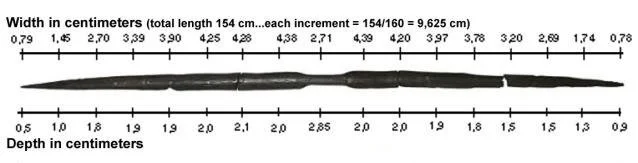
Roughly 154cm long
It is a self bow, meaning it’s made out of one piece of wood.
Limbs are wide and flat, tapering toward the tips.
It has side-nocks.
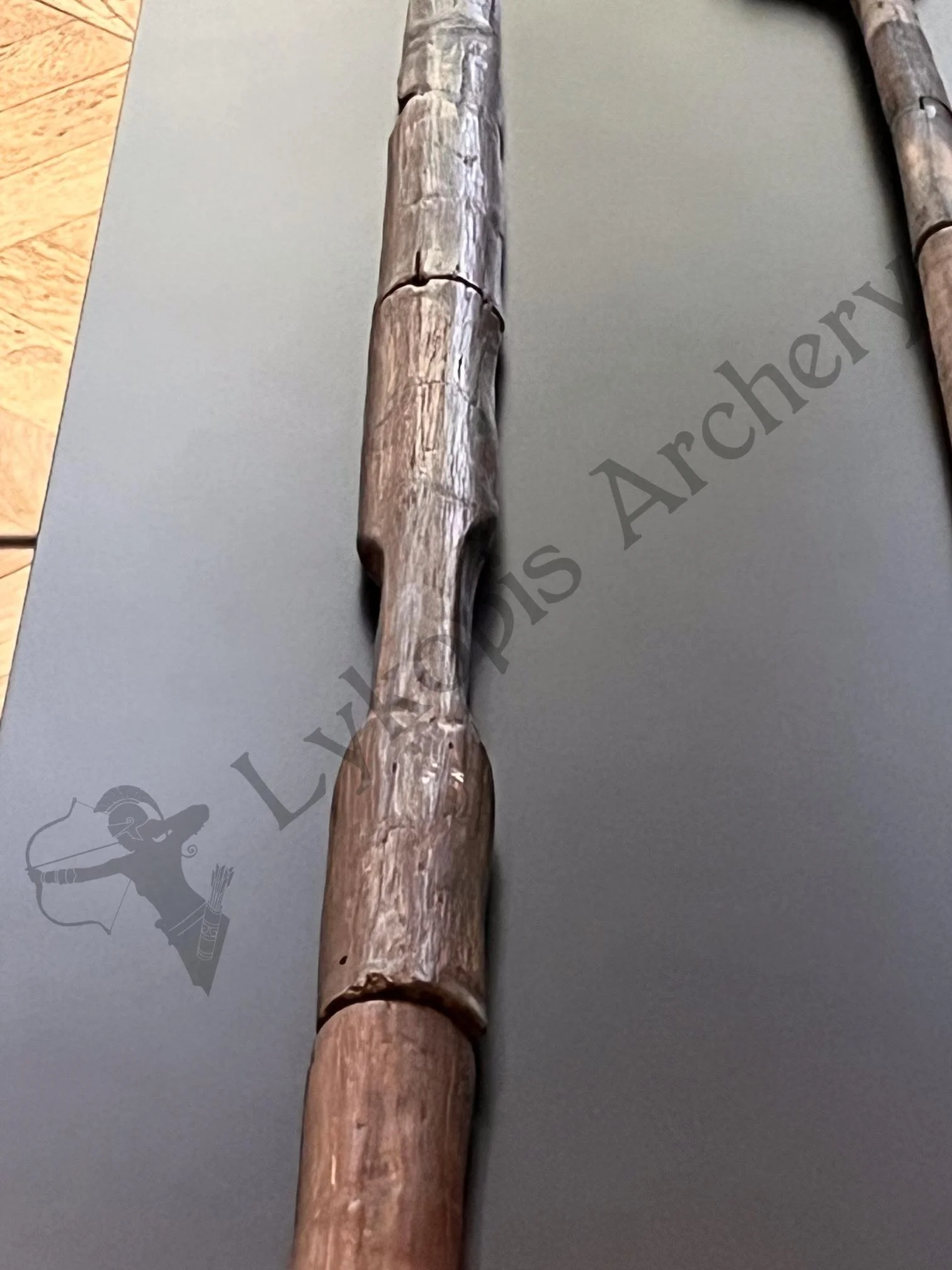
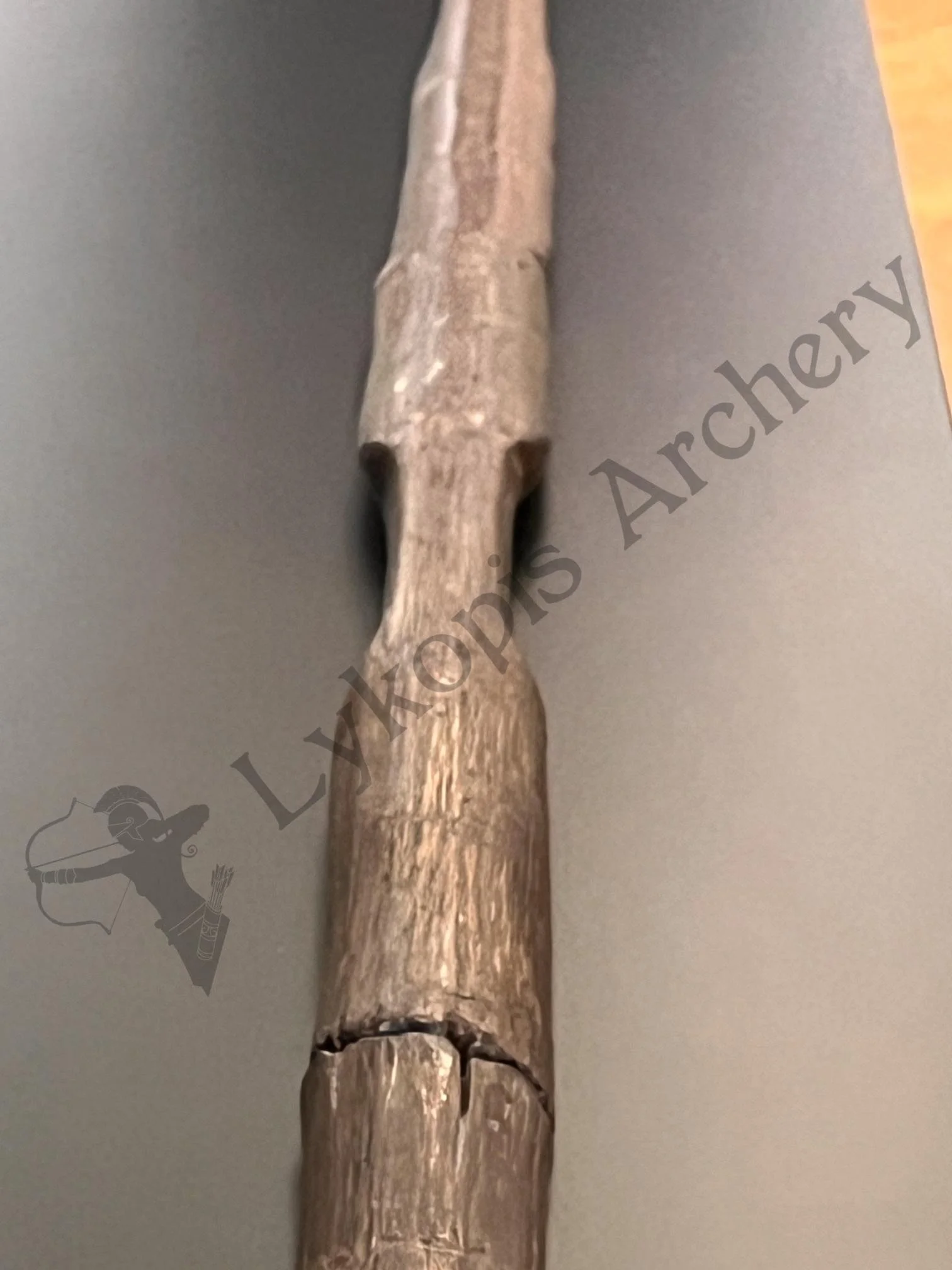
It has stiff outer limbs, meaning the outer third of the limb has a squarish profile tapering into “shoulders”, transitioning into a wide flat limb with a rounded back and a flat belly. When the bow is released, these stiff outer limbs snap it back into its original profile.
The grip is transverse to the limbs, with the limbs widening into it. This creates a lever-action when the bow is drawn, with just the limbs bending but not the grip. This allows the bow to be kept at draw for an extended period of time—a benefit while hunting.
Crafted from an elm sapling that was growing in the shade of another tree3, leading it to develop compression wood4 as it grew sideways towards the sun.
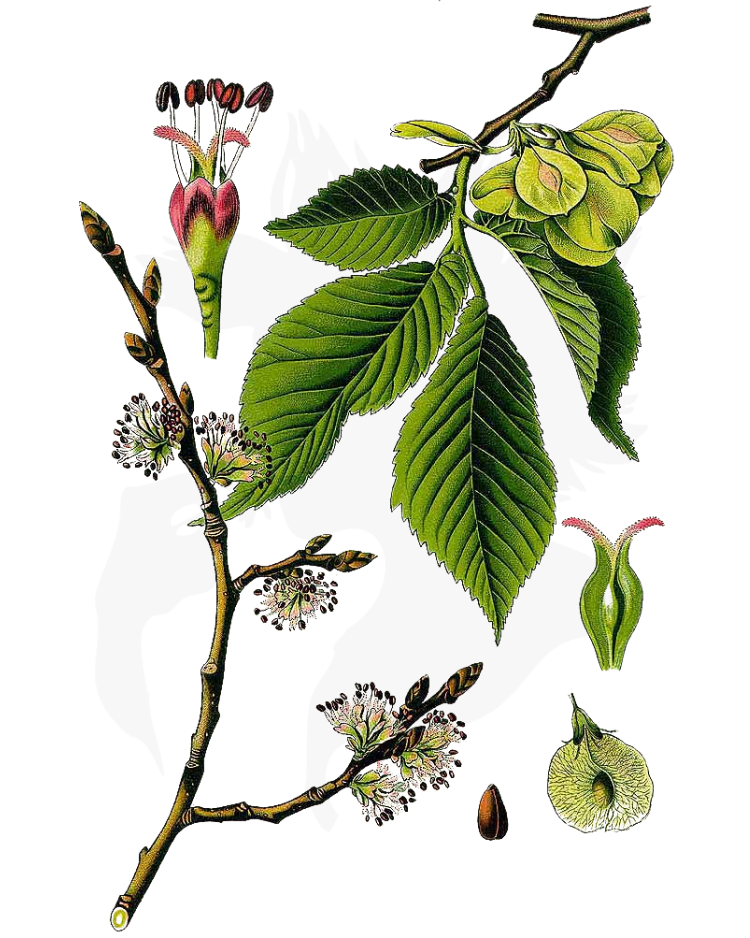
Given the climate in what is now Scandinavia during the Mesolithic, the wood used is most likely wych5 elm (Ulmus glabra6). It has the widest range of European elm species, and is also known as the Scot Elm. It is the most prolific of the European elm species, found from the north in the Arctic Circle, east to the Ural Mountains (Russia and Kazakhstan), to the south in the Peloponnese Region in Greece, to the west in Ireland. Even today, the wych elm can be found across Scandinavia.
For further reading:
2. Most of Vancouver built is built on a bog. In the greater lower mainland, you can also visit Burns Bog.
3. This is based on the wood’s growth rings. [Hardy, Prehistoric Archery, 2006]
4. Read more about compression wood at https://www.slideshare.net/slideshow/reaction-wood/250509351 and Arctic Bowyery - The Use of Compression Wood in Bows in the Subarctic and Acrctic Regions of Eurasia and America
5. Etymology from the Old English “wice”, meaning pliant or subtle. For more information on Wych Elm:
6. Treesure Hunt! (coming soon)